Filter Underdrain & Control Systems

Pipe & Lateral System

Turnkey Project Delivery

Design-and-build potable water treatment facilities and plant upgrades.

Engineering & Process Design

Specialist design for new, retrofit and rehabilitation works.

Automation & Controls

Instrumentation and control systems for reliable, monitored operation.

Operational Management

Long-term operational support for sustained plant performance.

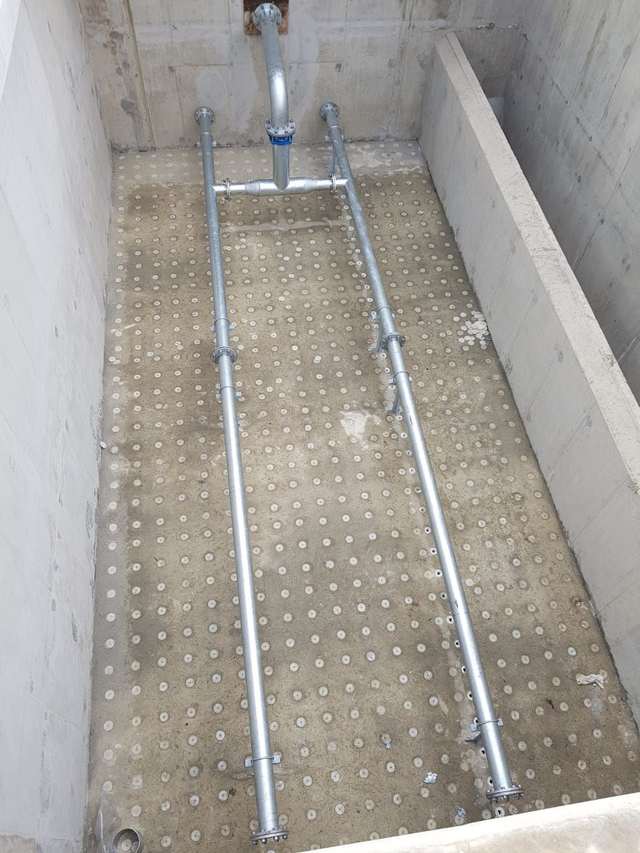
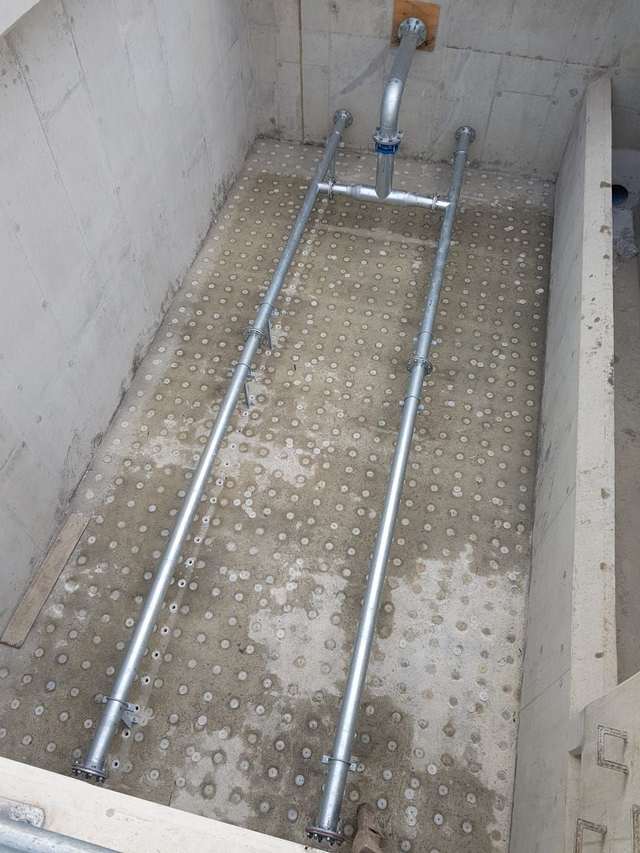
A pipe and lateral underdrain system is one of the most common designs used in rapid gravity filters in water treatment plants. Its main purpose is to collect filtered water evenly and to distribute backwash water and air uniformly during the backwashing phase.

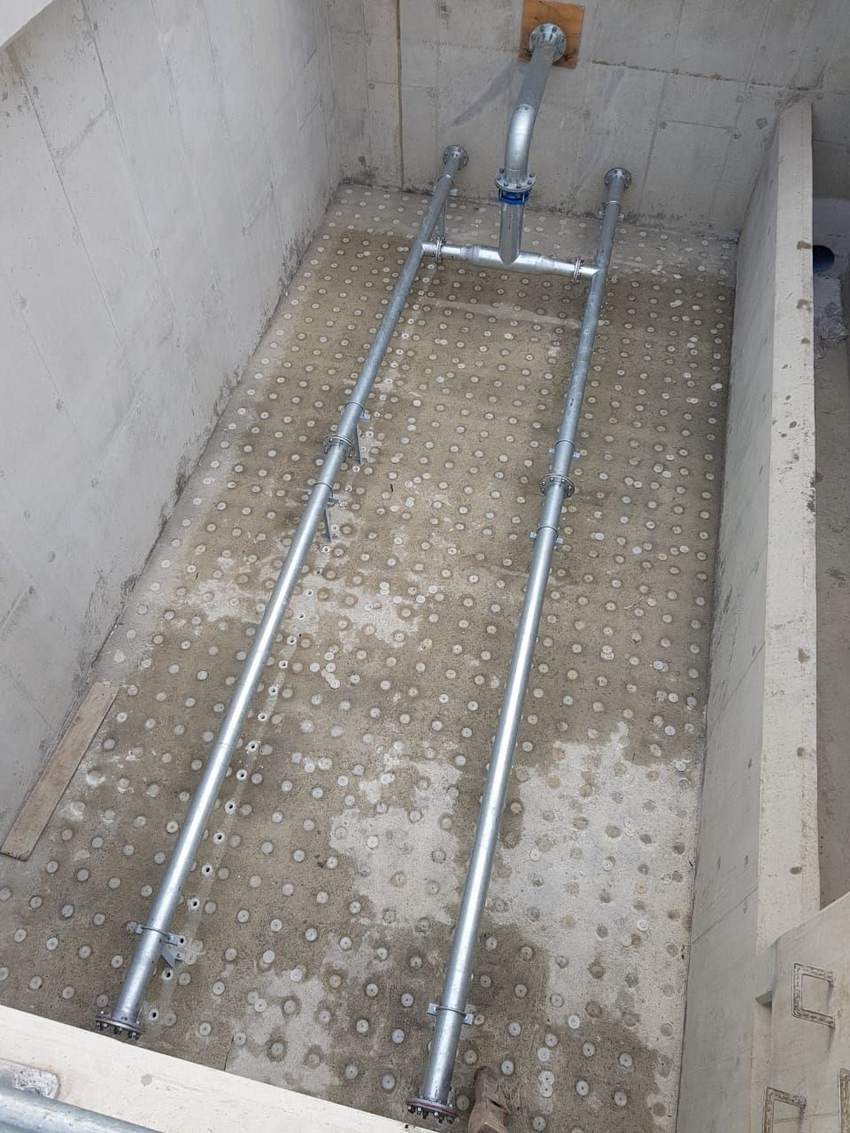
The basic system consists of a large central pipe running along the bottom of the filter which is connected to the outlet channel. It mainly acts as the main collector/distributor of water.

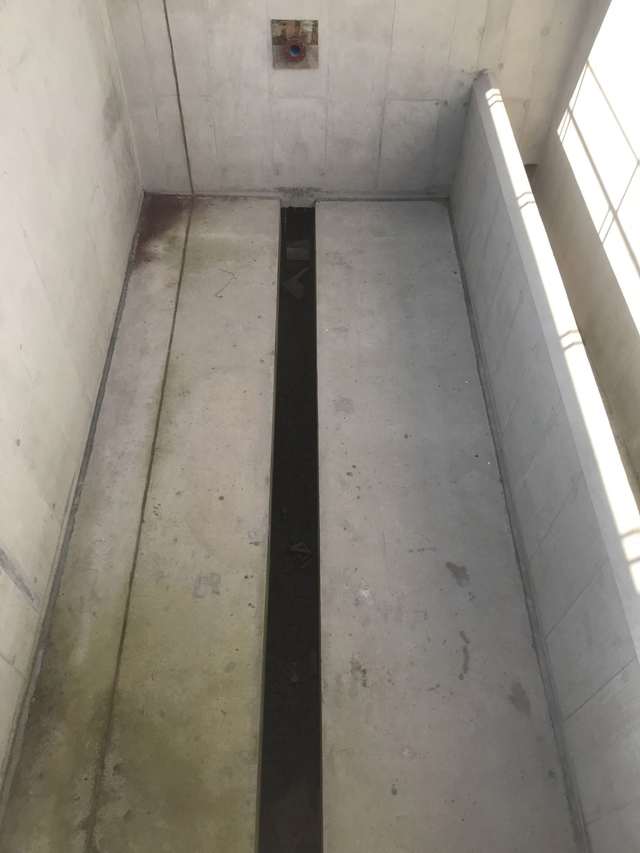
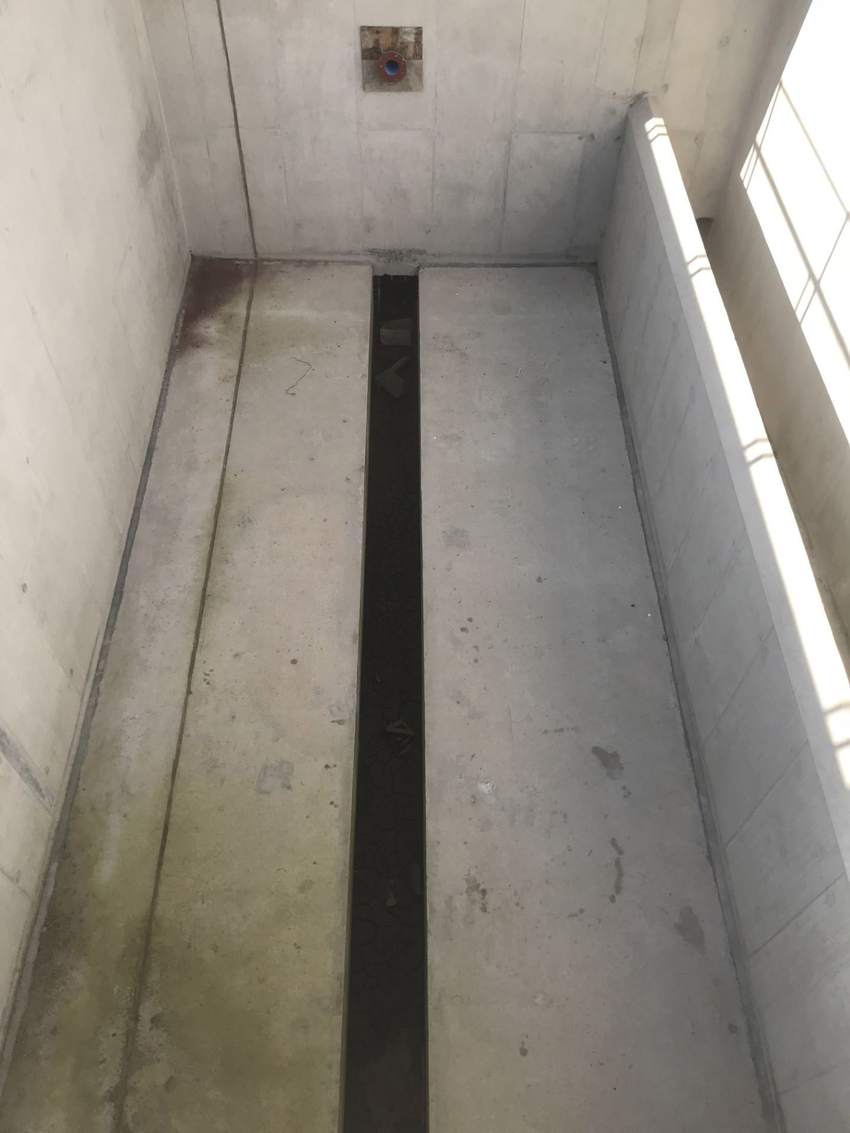
Filter shell with central collector channel
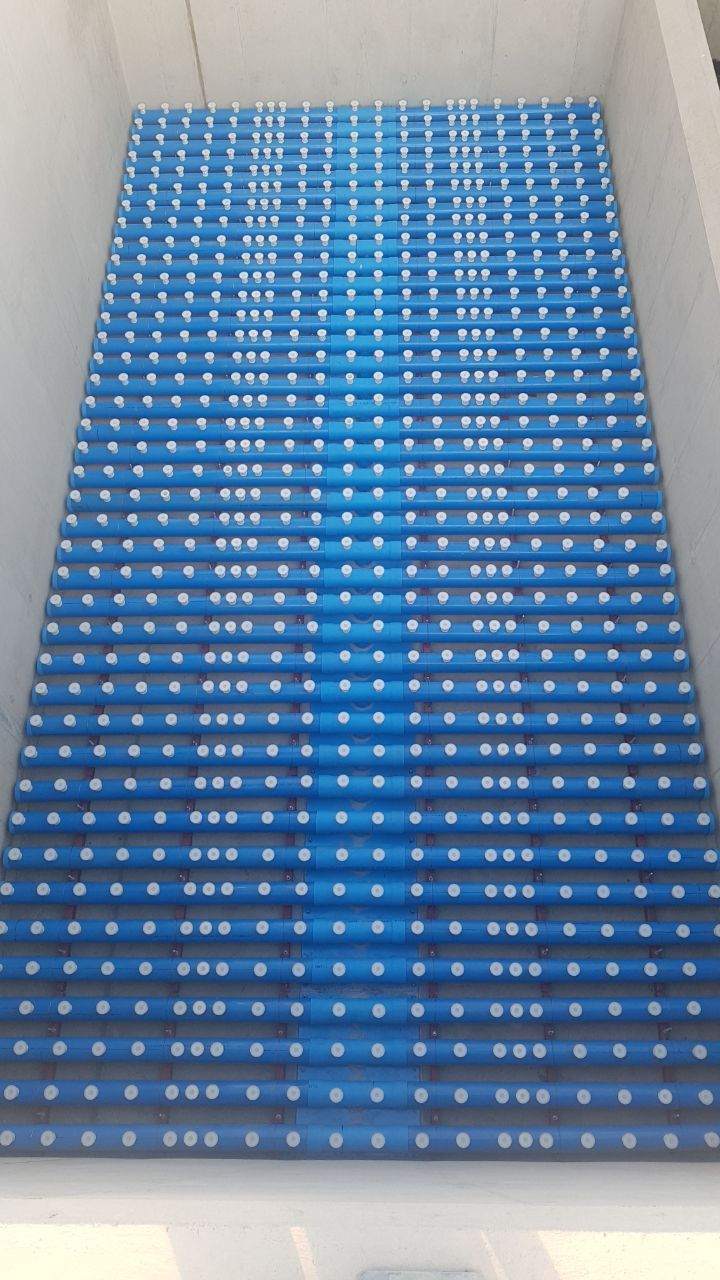
Lateral strainer floor

Smaller pipes branching out from the manifold at regular intervals are called laterals. They extend across the filter floor, typically spaced evenly to ensure uniform flow.

Strainers are located on the laterals to allow filtered water to enter the laterals and subsequently to the filter outlet channel during filtration. They also distribute water and air during backwashing.

The advantage of this system is:

  • Simple and robust design
  • Cost-effective
  • Easy to construct and maintain
  • Good for small to medium plants

The disadvantage is:

  • Only separate air and water cycles can be used during backwashing. Should air and water be combined during a backwash, it could damage the underdrain system and would need replacement.
  • Less uniform distribution compared to advanced systems (e.g. nozzle floor systems).
  • Risk of clogging in perforations.
  • May require careful levelling to avoid uneven flow. A higher degree of accuracy is required during the construction phase.
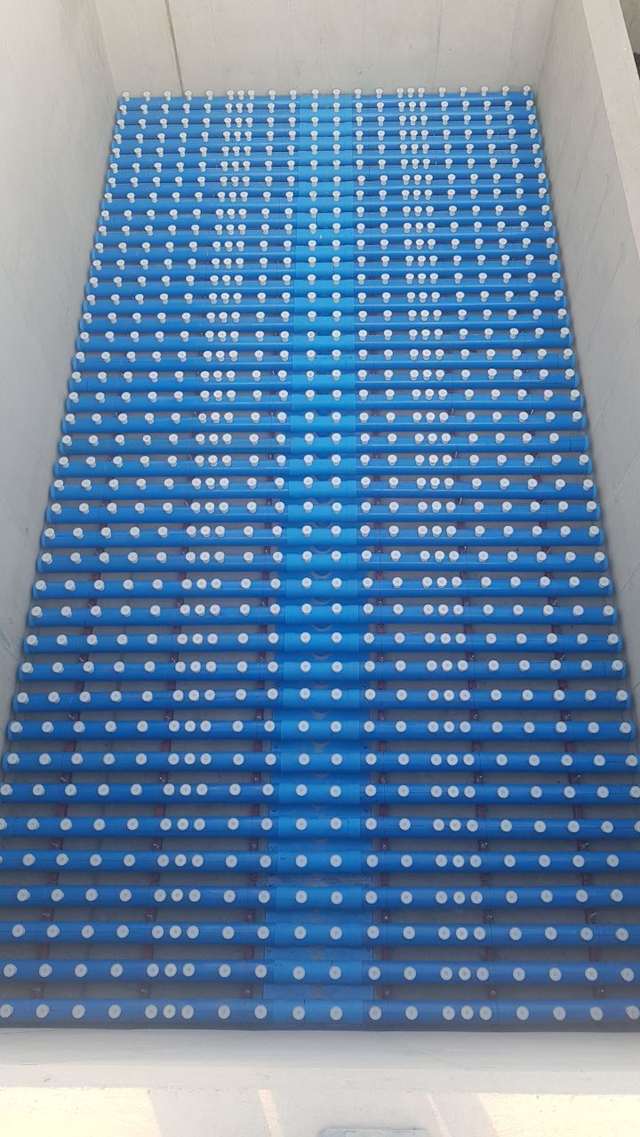
Completed pipe and lateral installation