Rapid Gravity Filtration

AQUAZUR® Rapid Gravity Filter

Turnkey Project Delivery

Design-and-build potable water treatment facilities and plant upgrades.

Engineering & Process Design

Specialist design for new, retrofit and rehabilitation works.

Automation & Controls

Instrumentation and control systems for reliable, monitored operation.

Operational Management

Long-term operational support for sustained plant performance.

AQUAZUR® Rapid Gravity Filter

Filtration is a critical process in water treatment, separating suspended solids from the water by passing it through a porous filtering medium. As water flows through the filter bed, solid particles are captured and retained while clean water passes through the system.

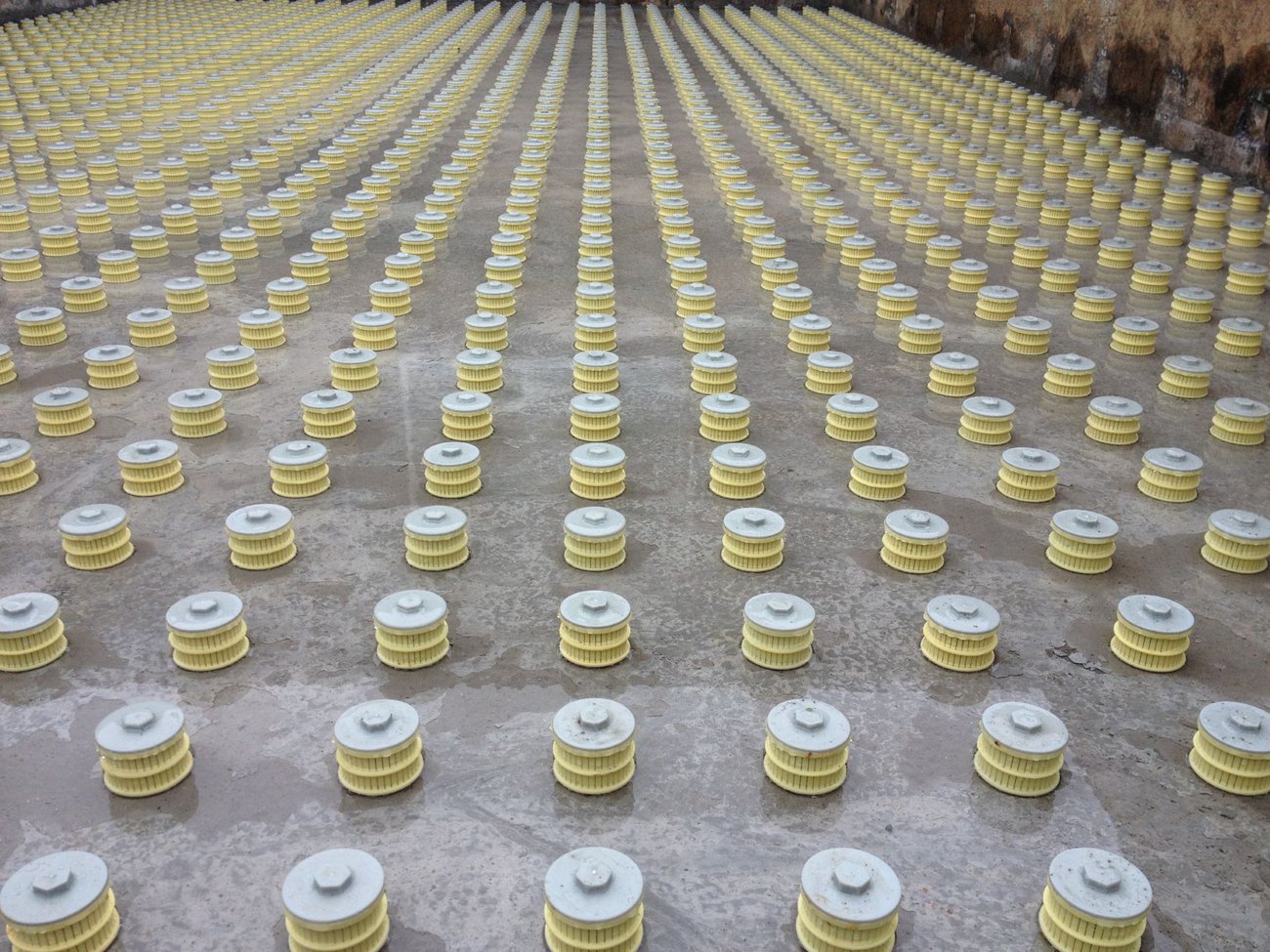
AQUAZUR®’s filtration solutions are engineered to optimise this process — ensuring reliable particle capture, efficient flow distribution and consistent filtrate quality across the full filtration cycle, from capture and retention within the media through to effective washing and restoration of the bed for continued operation.

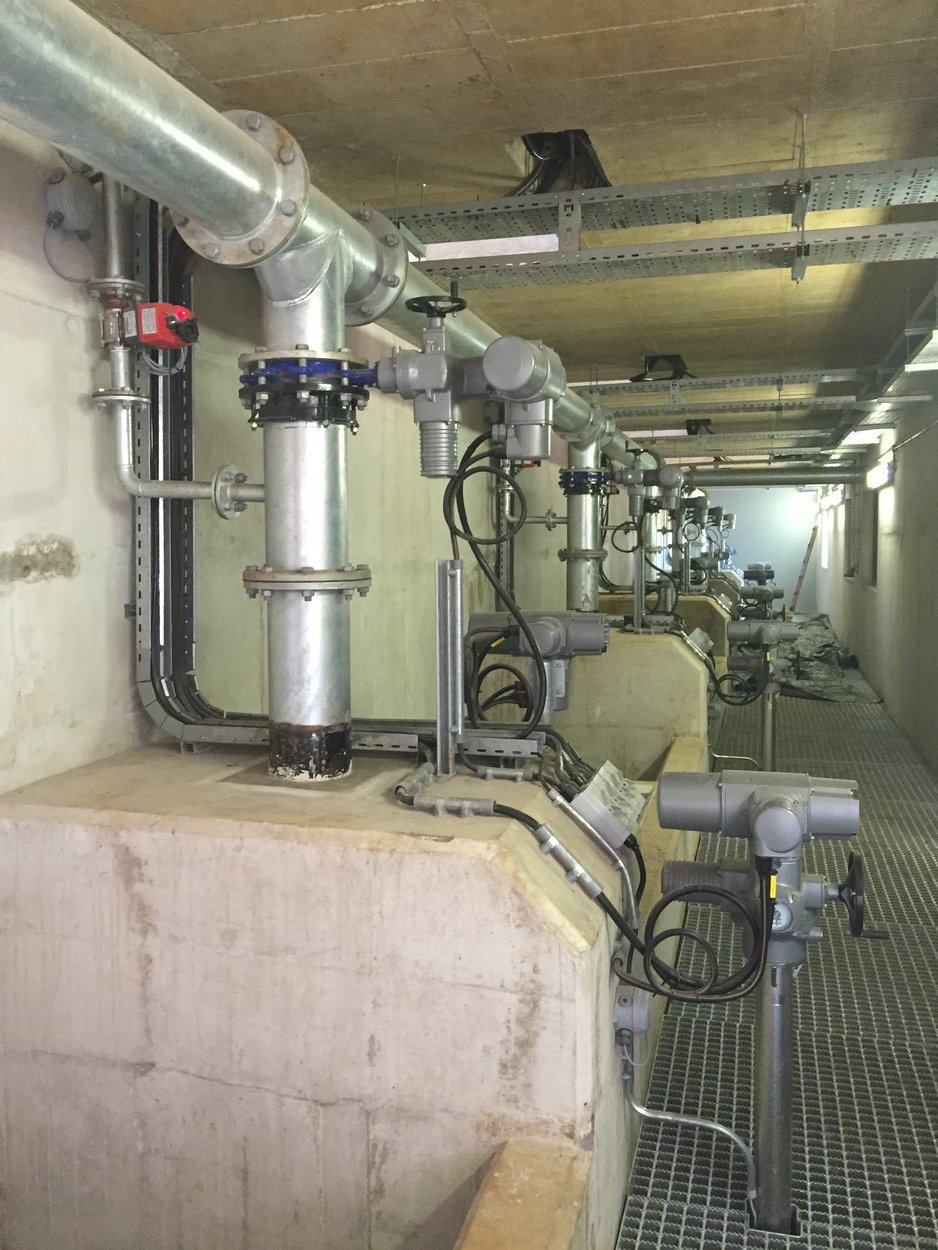
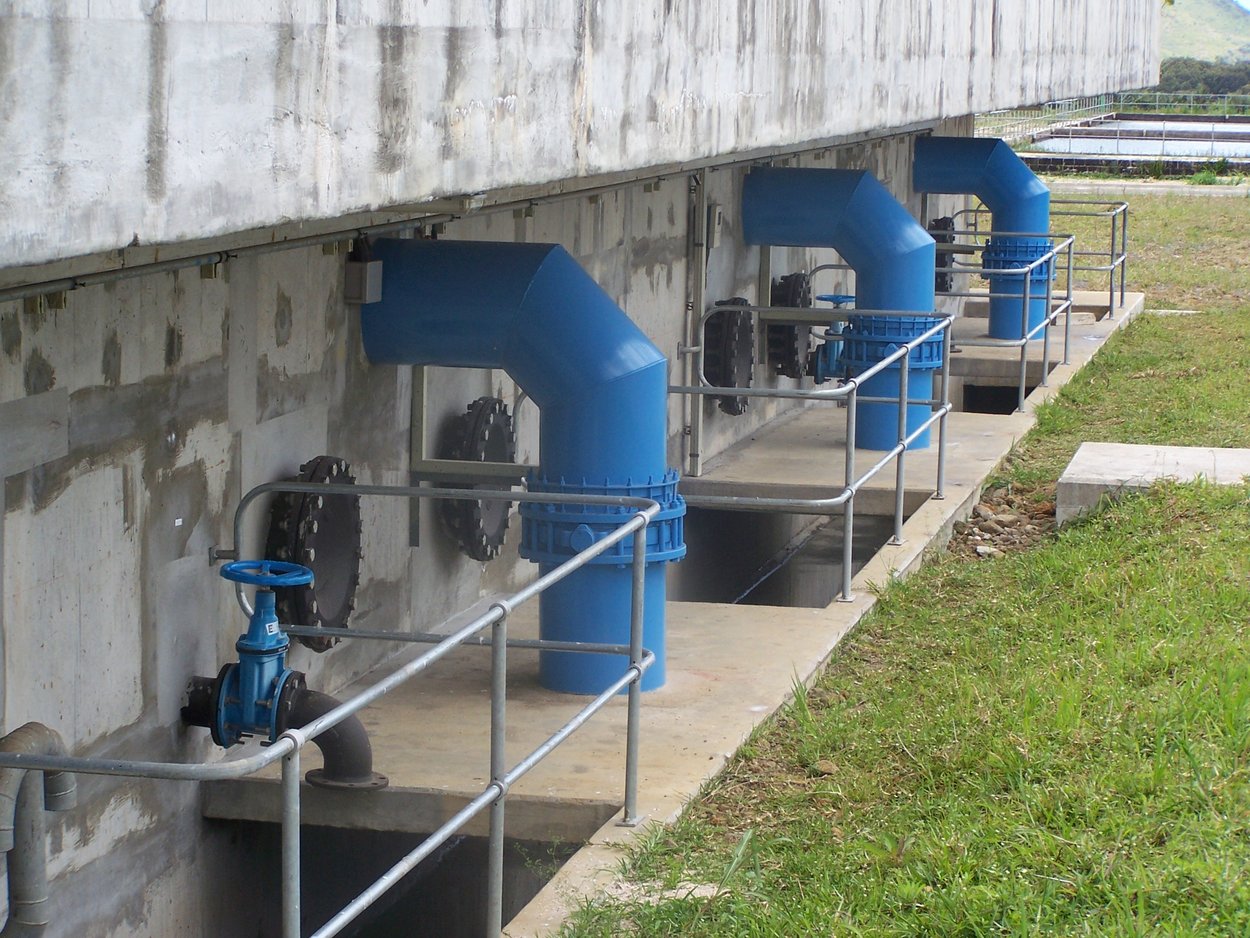
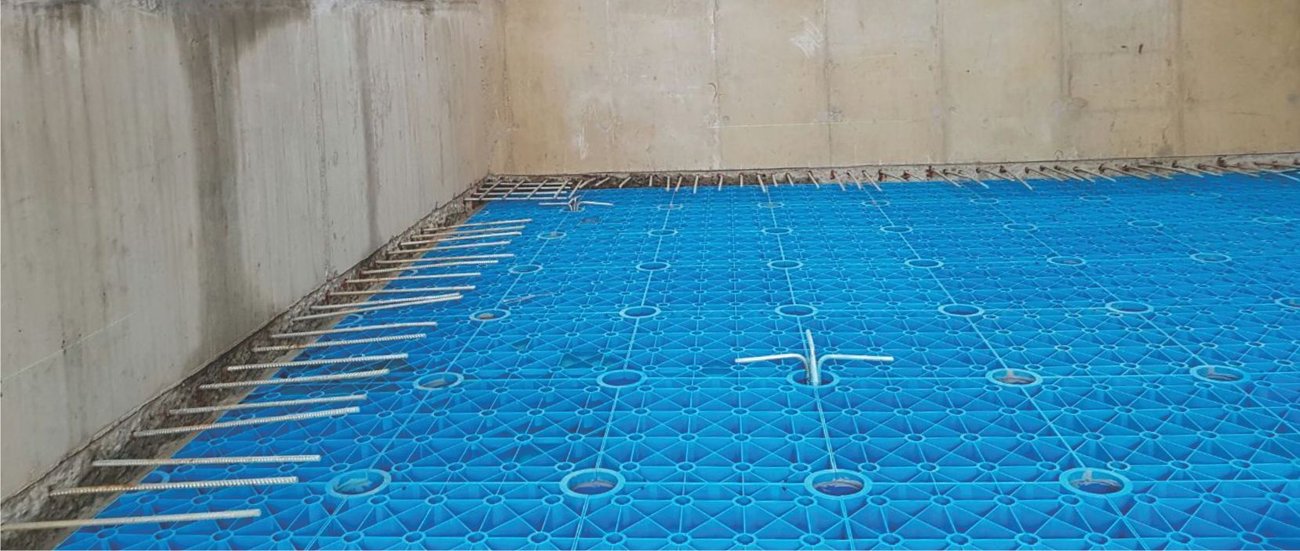
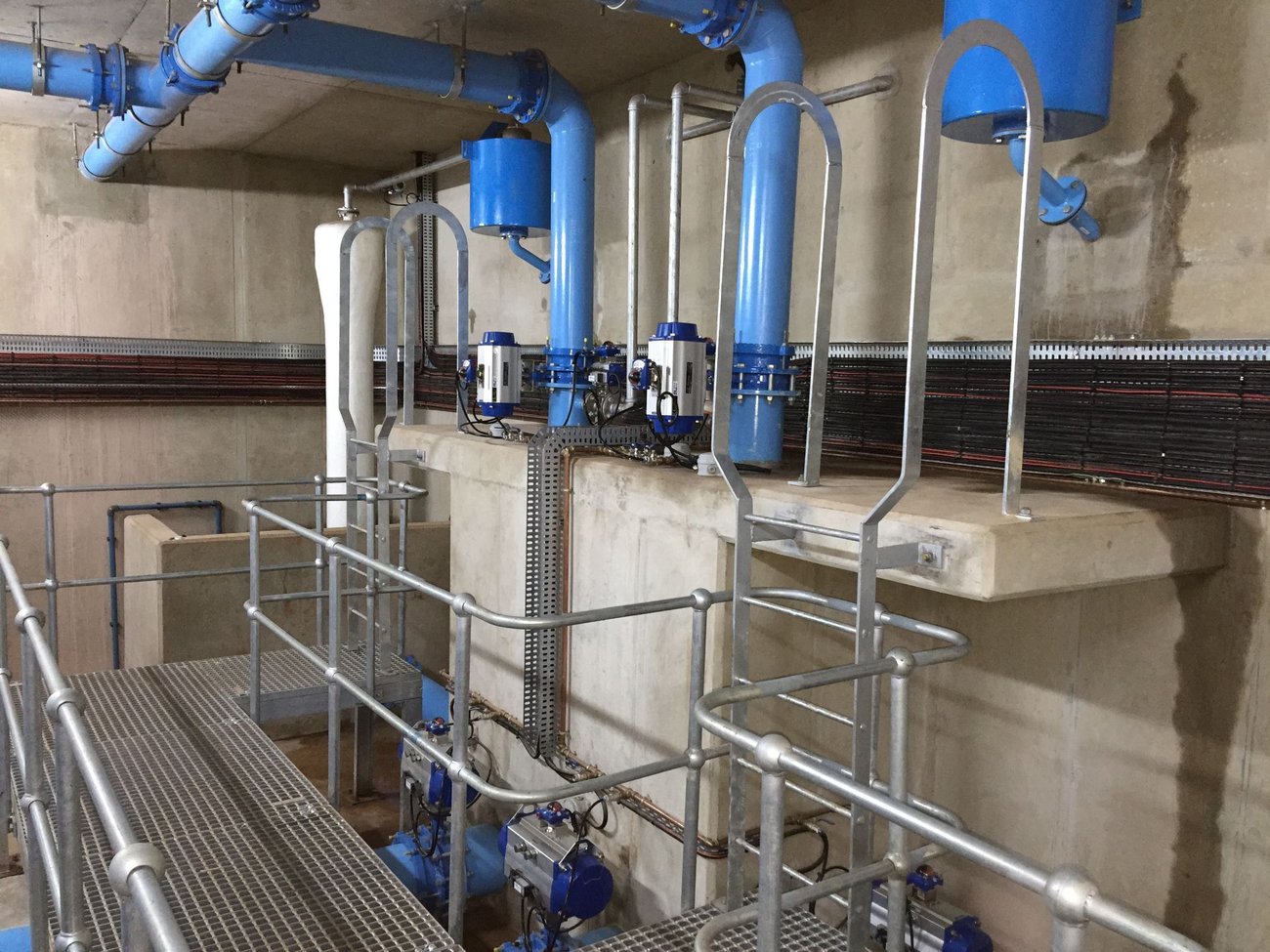
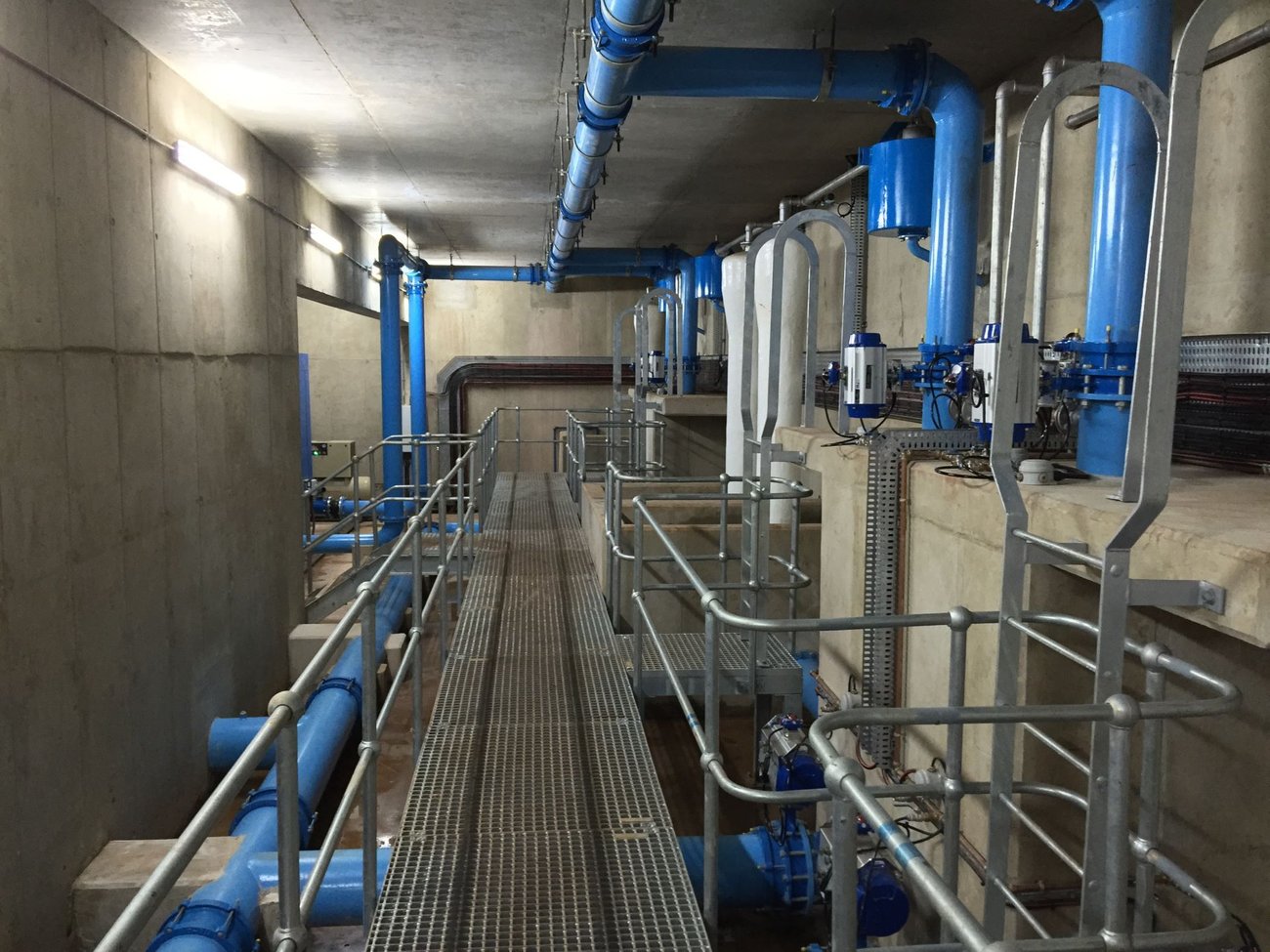
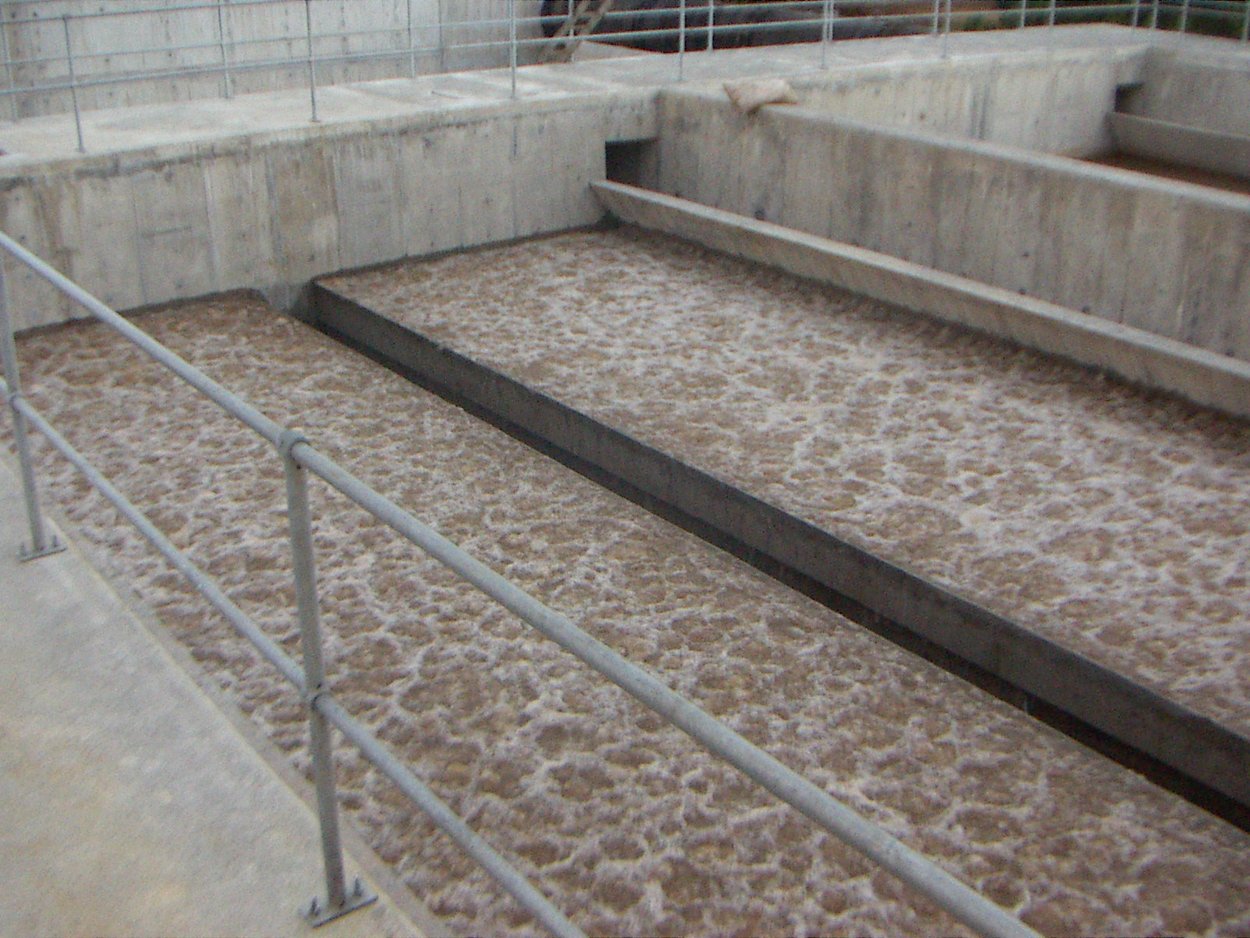
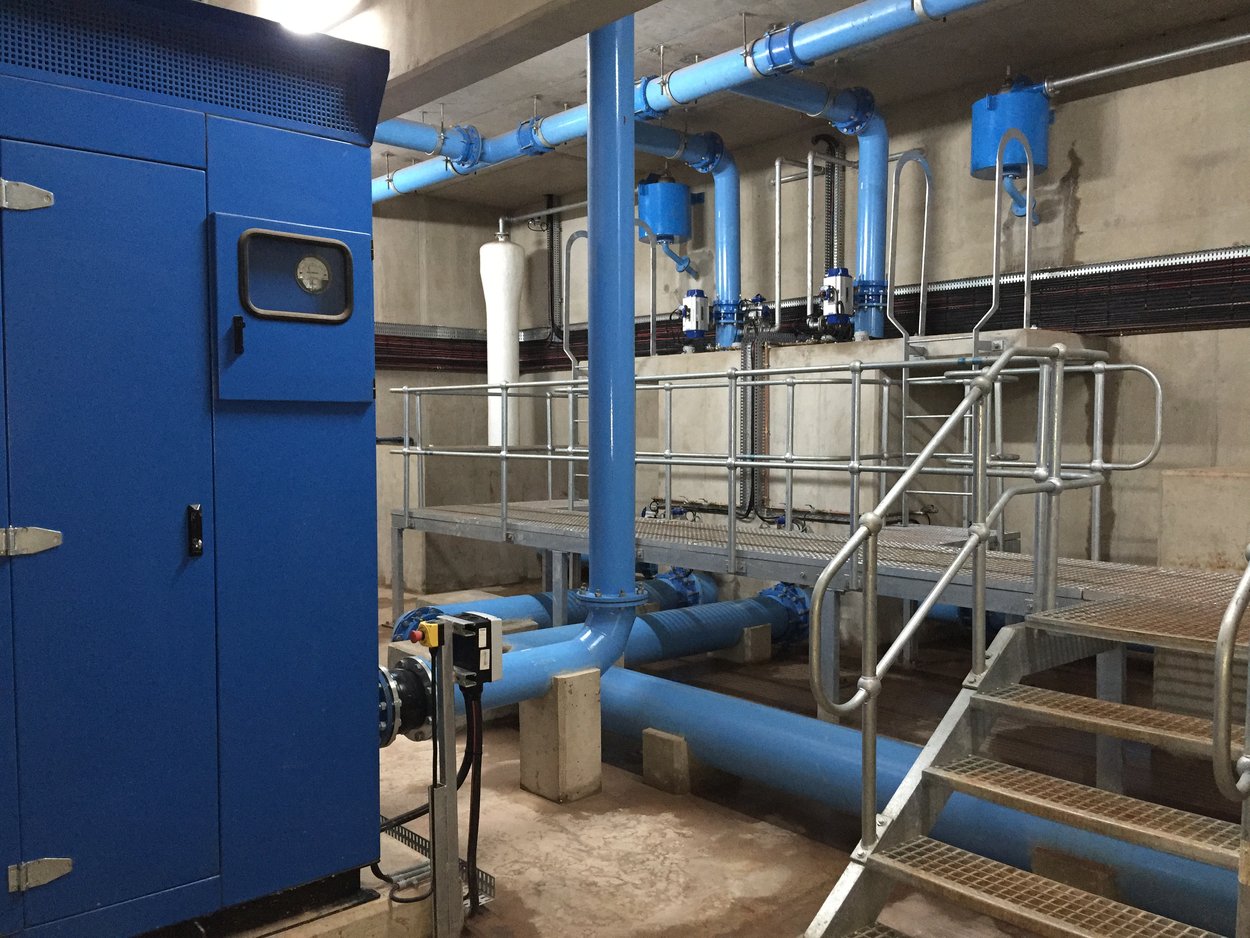
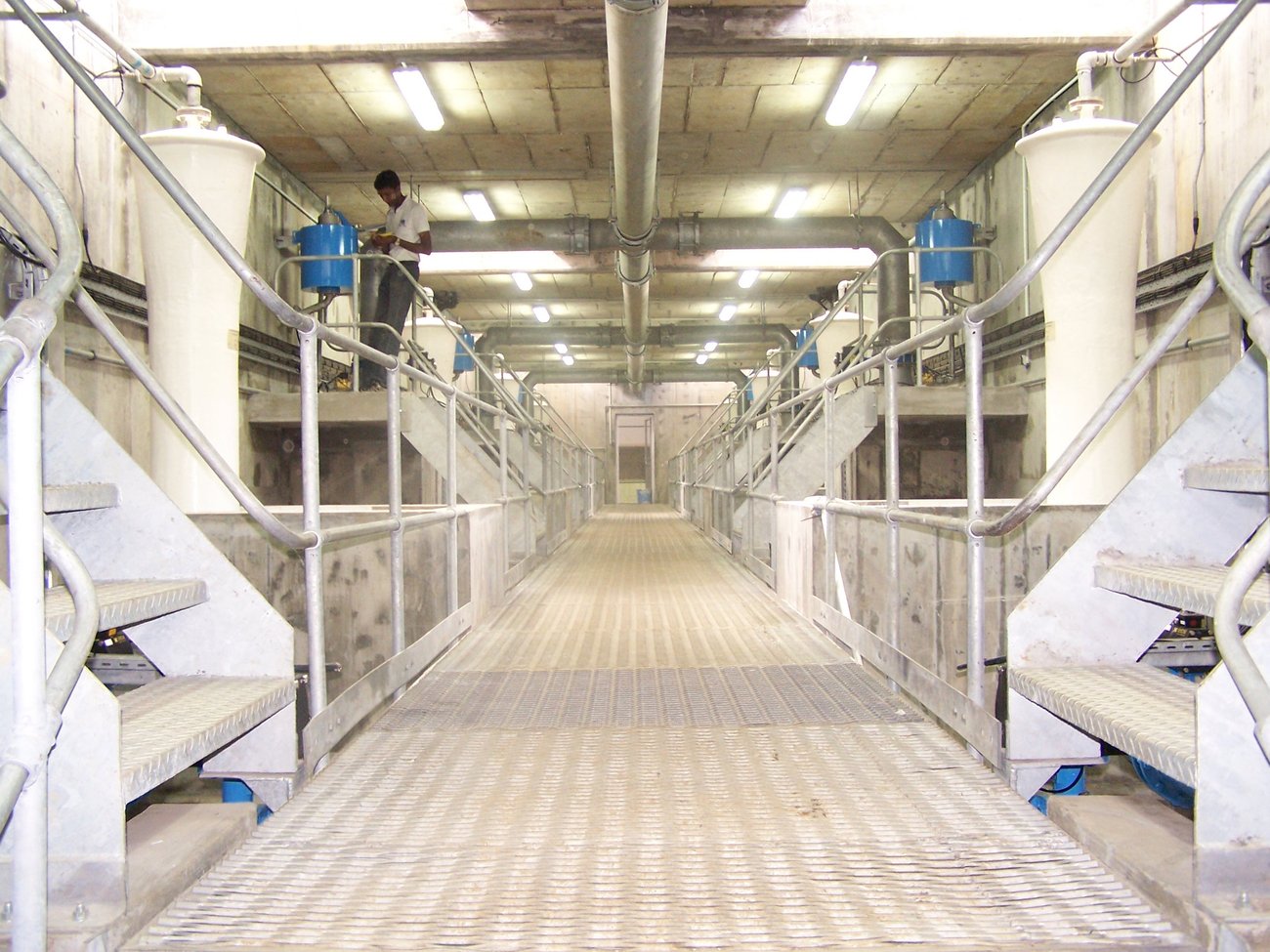
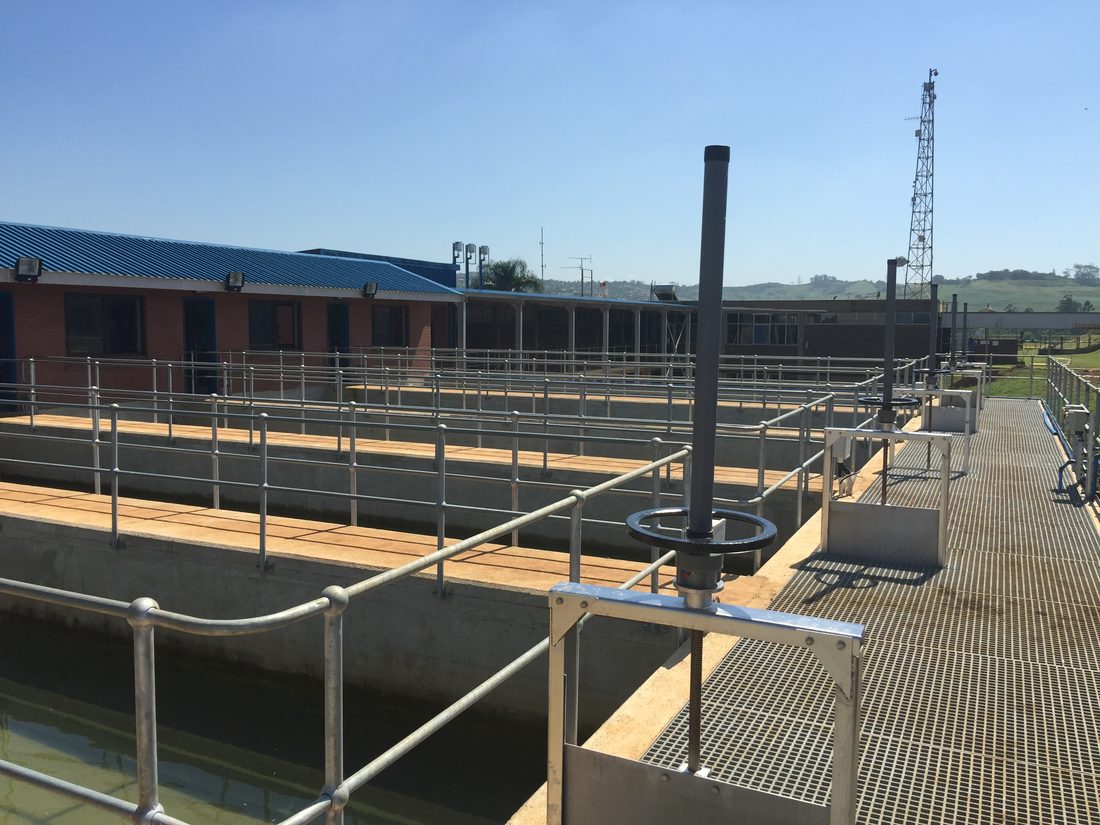
AQUAZUR® rapid gravity filter installation
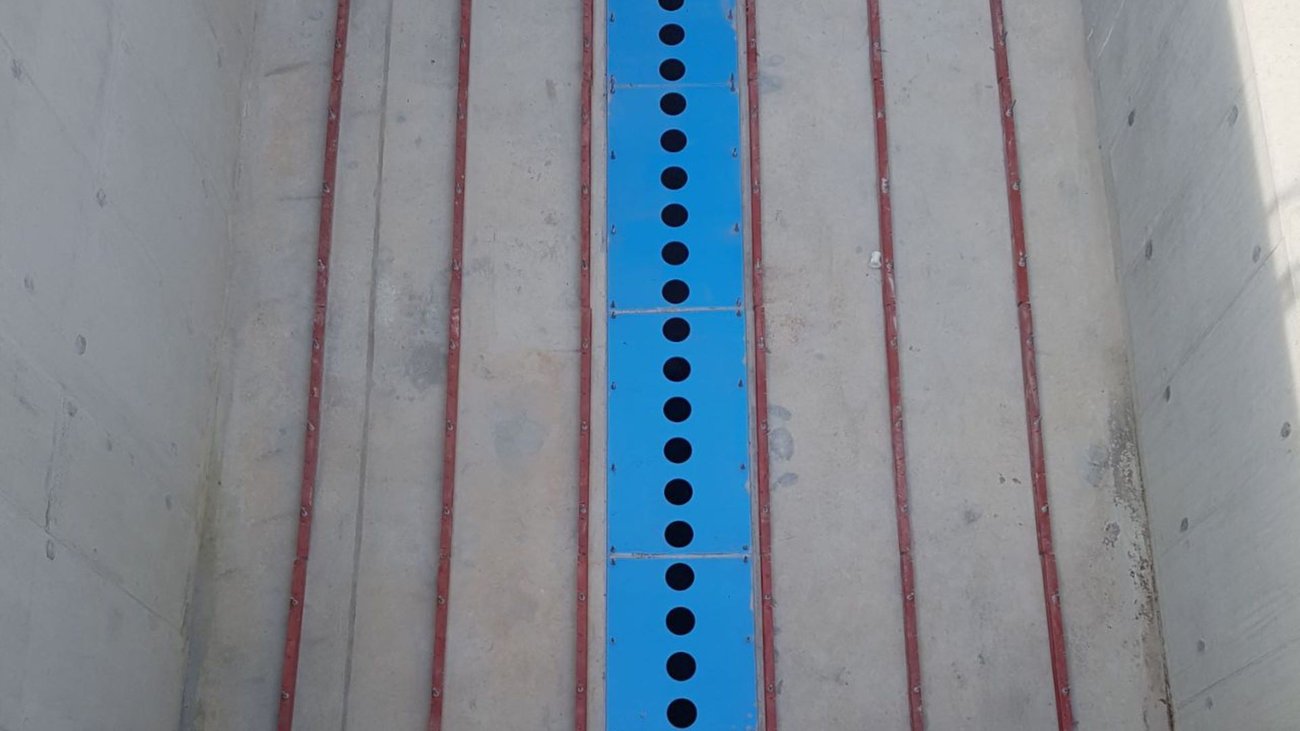
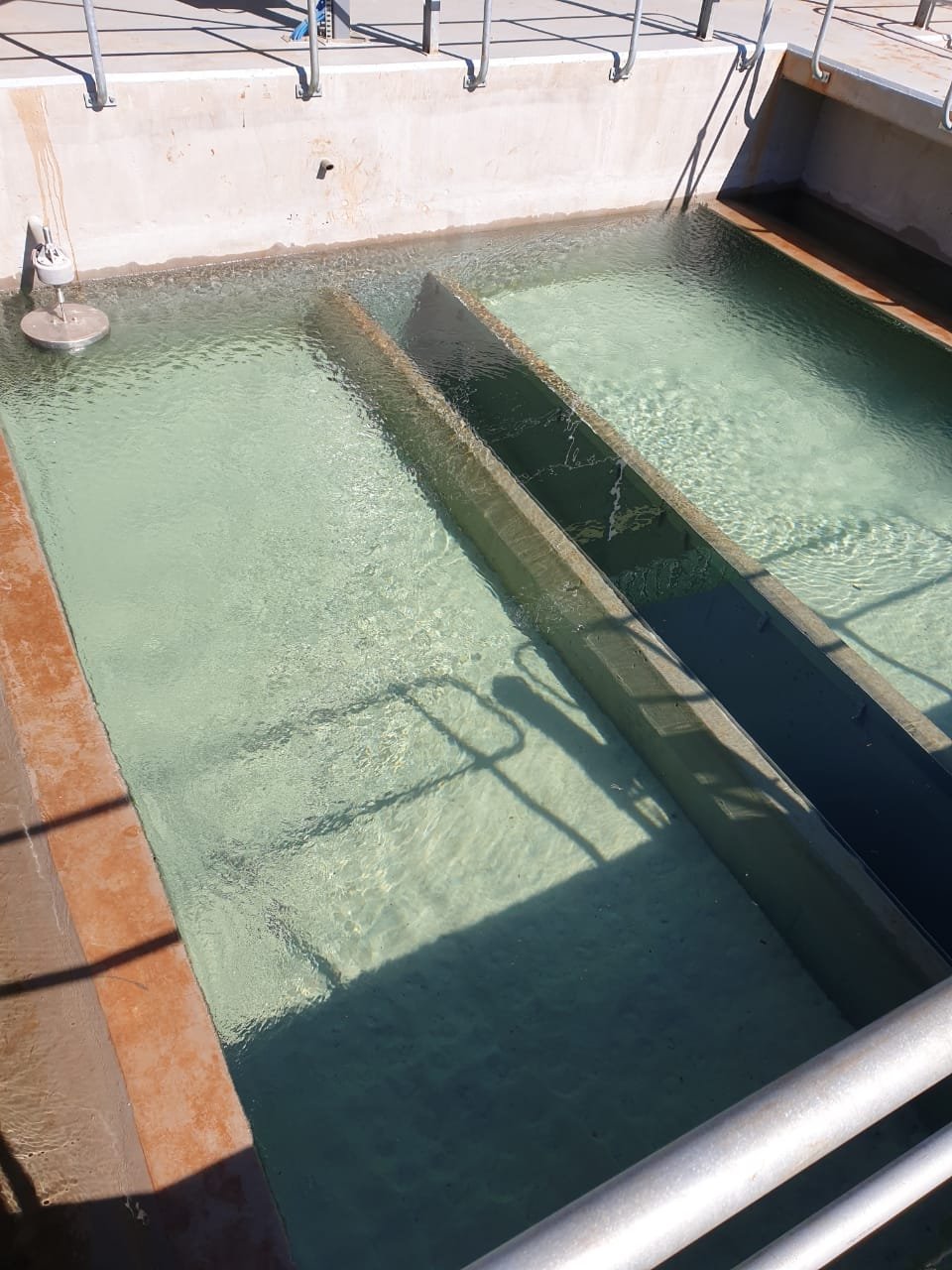
Filter cells and wash-water troughs

The AQUAZUR® Filter

The main filters used are the AQUAZUR® Filters, operating at velocities of between 7 and 20 m·h⁻¹, and up to 30 m·h⁻¹ in specific designs. A high filtration rate of this order requires specific technology choices, relating especially to:

  • the choice and depth of the filtering material;
  • the backwash mode;
  • the hydraulics in the design.

AQUAZUR® filters are backwashed using the simultaneous air-and-water method: a high air-flow-rate return with a reduced water flow rate, followed by a rinse at an average flow rate that does not expand the filter bed — its sole purpose being to convey the matter removed from the bed to the wash-water troughs.

Filter characteristics

AQUAZUR® Filters have the following characteristics:

  • a high water height over the filter bed — at least 1 m and, in most cases, 1.20 m;
  • a homogenous filtering-media depth of between 0.8 and 1.5 m;
  • a filtering-media effective size, usually 0.95 mm or 1.35 mm (extreme range 0.7 mm to 2 mm);
  • simultaneous air scour and water backwash, accompanied by a surface cross wash using raw water, followed by a water rinse that does not expand the filter bed and is also accompanied by a surface cross wash. This cross wash discharges impurities to the drains more rapidly, reducing both the wash duration and the filtered-water demand for the wash.

AQUAZUR® Filter water level is controlled either by a partialised siphon or by a knife gate valve complete with a V-port, actuated by the MODFLOW® controller.

AQUAZUR® Filters can be laid out as single filters (with one filter-rate controller per filter) or as double filters (two cells intercommunicating through the top and the bottom, sharing a single filter-rate controller).
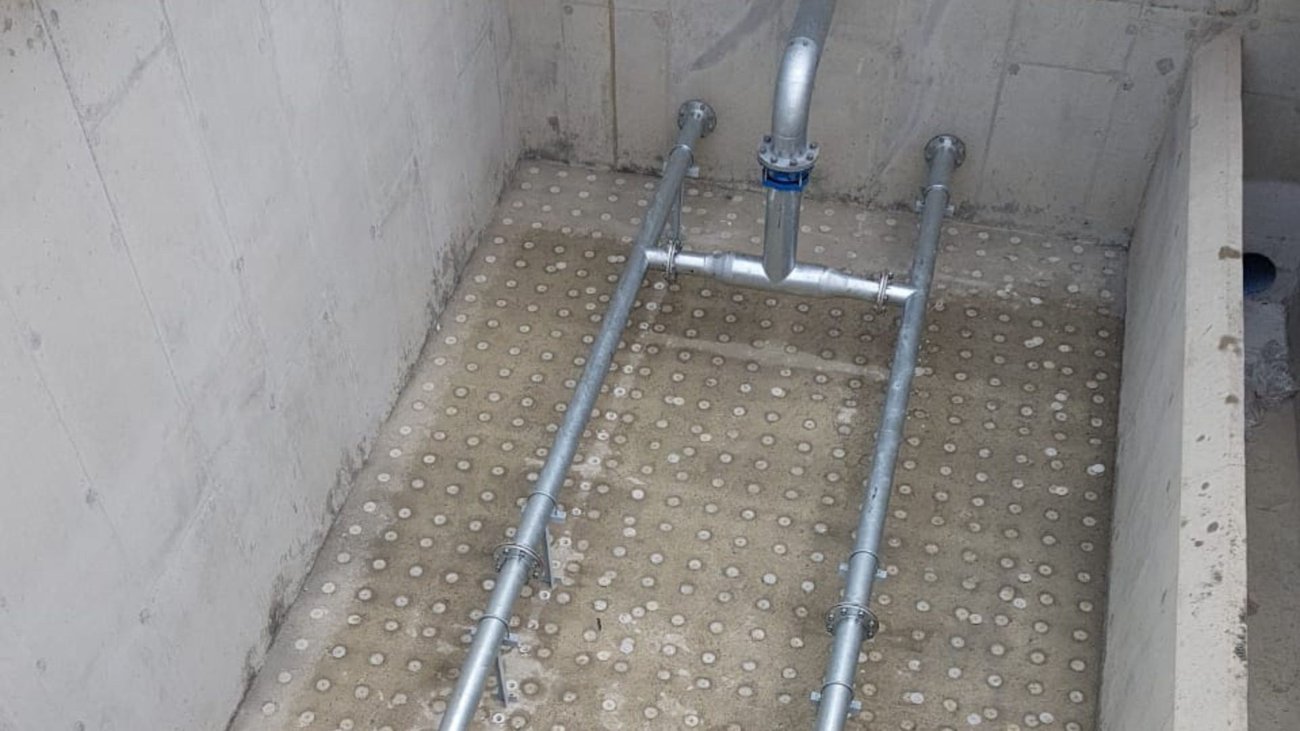
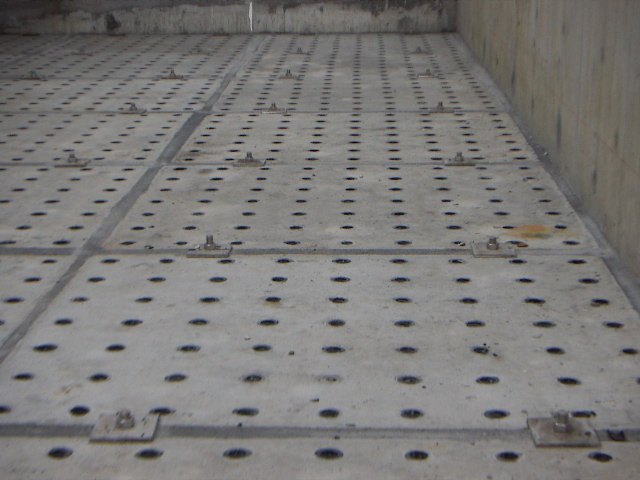
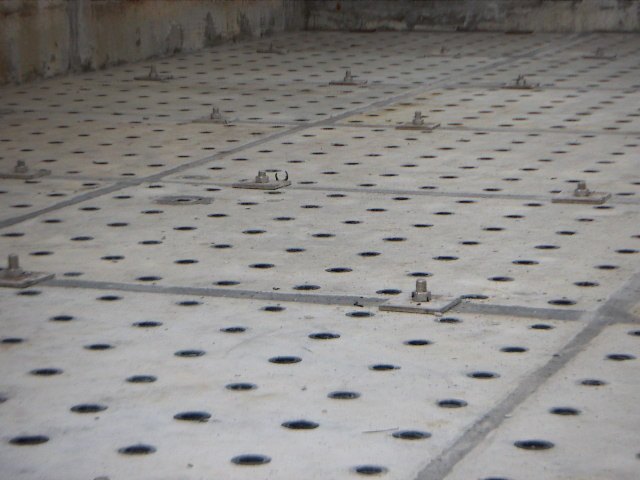
Filter media and underdrain detail
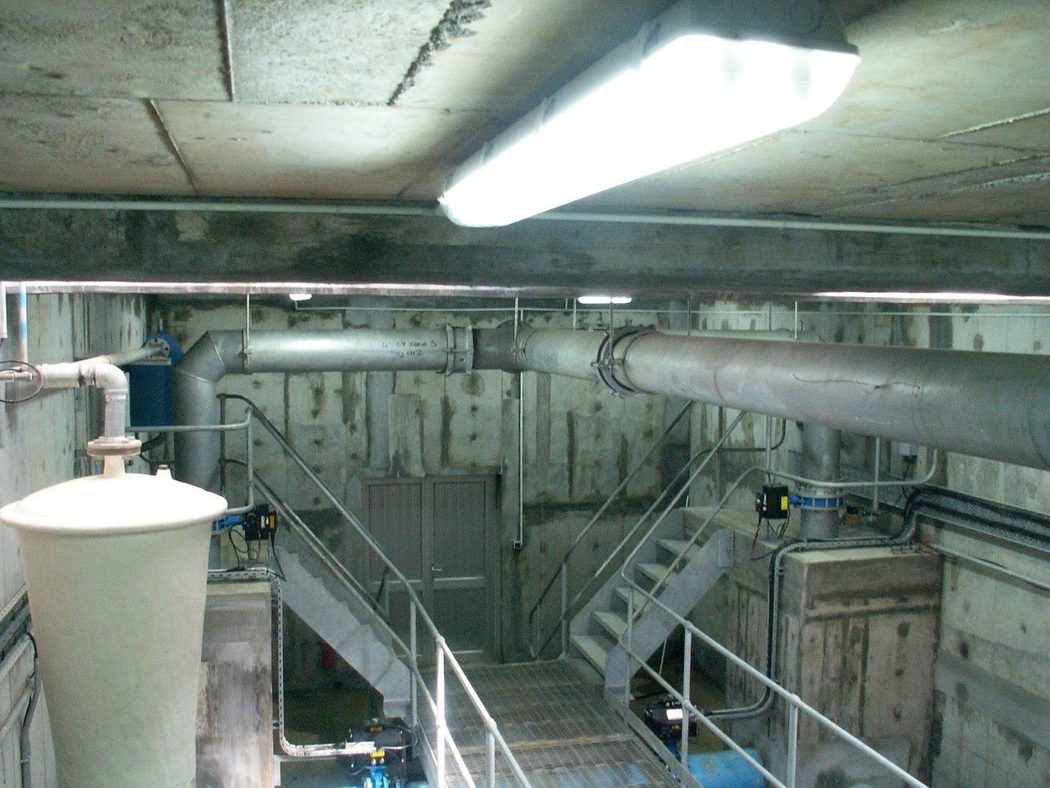
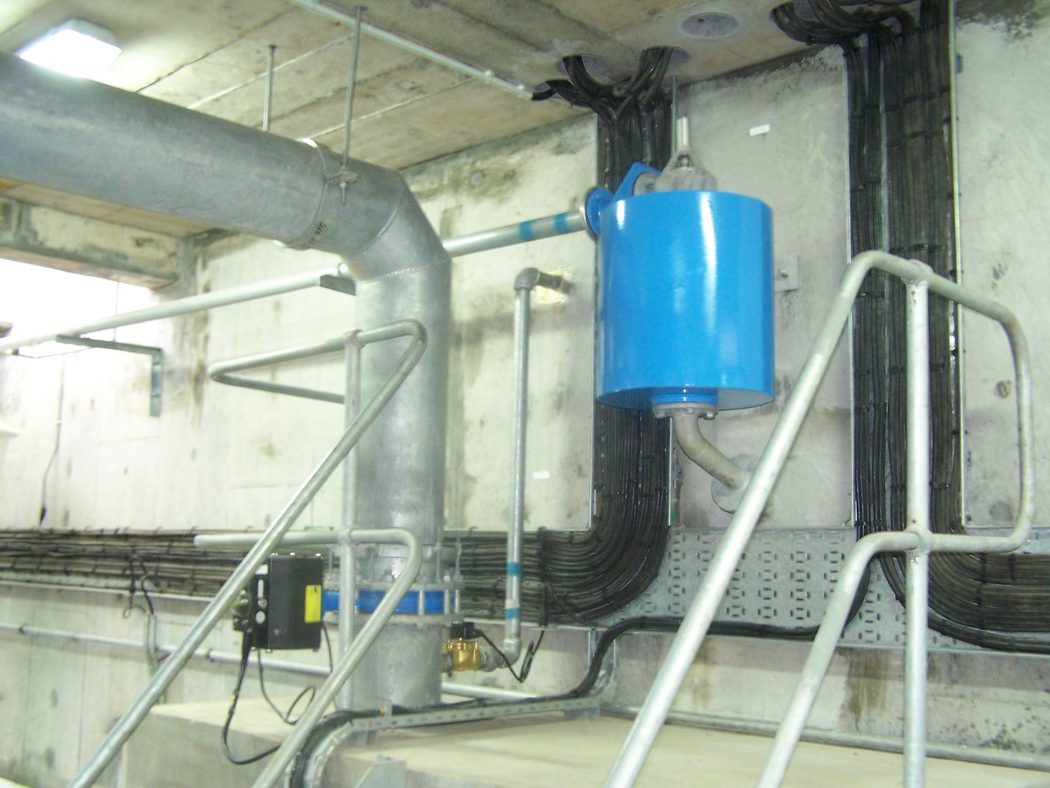
Backwash in progress

Backwashing the AQUAZUR® Filter

The wash follows the sequence below:

  • the water level is lowered to the upper edges of the wash-water channel by shutting off the supply;
  • the air blanket is formed;
  • scouring is carried out by injecting air and water with a crosswash current;
  • a water rinse maintains the crosswash current until clear water is discharged into the drains.

The following flow rates apply:

  • filtered backwash water: 7 to 15 m³·h⁻¹·m⁻²;
  • air scour: 50 to 60 m³·h⁻¹·m⁻²;
  • crosswash: approximately 5 m³·h⁻¹·m⁻²;
  • rinsing water: 15 m³·h⁻¹·m⁻².

Given the time taken for the valves to operate, the wash takes from 10 to 12 minutes and ends when the filter has filled back up to its normal filtration level.

Advantages of the AQUAZUR® Filter

This filter combines all the principles characteristic of satisfactory filtration and an effective wash:

  • it is particularly well suited to high filtration rates, where sand depths of 1 to 2 m can be used;
  • it retains a positive pressure throughout the depth of the sand and throughout the entire filtration cycle;
  • its wash mode does not expand the filter bed, avoiding any hydraulic grading of the materials — so the bed remains homogenous even when it comprises materials with a high uniformity coefficient (e.g. UC ≈ 1.7);
  • in wash mode the filtered-water return flow is low, reducing both equipment and energy consumption;
  • the hydraulic design is optimised — for example, the wash-water weirs, whose profile is designed to prevent filter materials from being drawn off;
  • washing the bed with returned water throughout the air-scour period is linked to the surface crosswash action; wash-water consumption tends to vary from 1 to 3% of the volume filtered, depending on raw-water quality and temperature;
  • the water to be filtered continues to supply the filter, entirely or partially, throughout the wash period for surface crosswashing — so the other filters in the same battery are not subjected to a sudden increase in flow rate, and therefore to filtration-rate surges;
  • filtration resumes as the level rises, giving a gradual restart after a wash whatever the type of control unit selected; if required, this gradual start-up can be extended to 15 minutes.